Hydration Secrets: Simple Wellness Tips for Daily Health
Table of Contents
🌿 Introduction
Water — it’s the simplest, most natural thing in the world, yet it’s the foundation of our health and vitality.
From glowing skin to sharper focus and improved digestion, hydration affects every part of your body. Despite this, many people underestimate its importance or simply forget to drink enough water throughout the day.
If you’ve ever felt sluggish, dizzy, or had headaches by midday, dehydration might be the hidden culprit. The good news? Staying hydrated doesn’t have to be complicated — it just requires mindfulness and small daily adjustments.
In this guide, you’ll learn:
✅ Why hydration is vital for your body
✅ The signs you’re dehydrated
✅ How much water you actually need
✅ Hydration-boosting foods and drinks
✅ Smart habits for staying hydrated every single day

💧 What Is Hydration and Why Does It Matter?
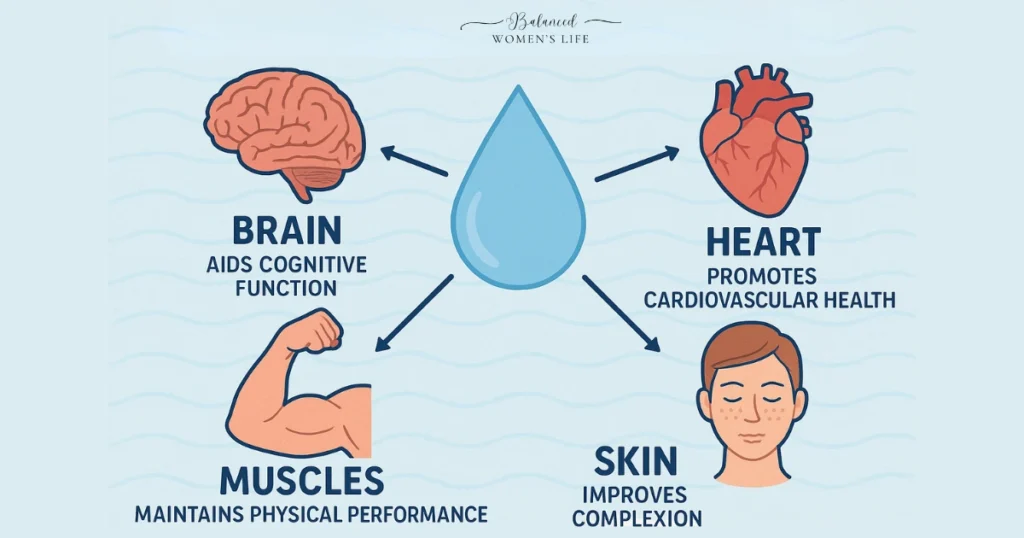
Hydration simply means maintaining the right balance of fluids in your body. About 60% of the human body is made up of water, and nearly every system depends on it — from your brain and heart to your muscles and skin.
When you’re properly hydrated, your body can:
- Regulate temperature efficiently
- Transport nutrients and oxygen
- Flush out toxins
- Support digestion and metabolism
- Keep your joints lubricated
- Enhance skin elasticity and appearance
Even mild dehydration can impair your performance — physically, mentally, and emotionally.
🚱 The Hidden Dangers of Dehydration
Dehydration doesn’t just happen in hot weather — it can occur any time you’re losing more fluids than you’re taking in.
Common Causes of Dehydration
- Not drinking enough water during the day
- Sweating excessively during exercise or heat
- Drinking alcohol or caffeine (both can dehydrate)
- Certain medications that increase fluid loss
- Illness — fever, vomiting, or diarrhea
Early Signs of Dehydration
- Dry mouth or lips
- Fatigue and irritability
- Headache
- Dizziness or lightheadedness
- Dark urine or infrequent urination
“By the time you feel thirsty, your body is already dehydrated.”

🧠 Hydration and Mental Performance
Did you know your brain is about 75% water? Even a 1–2% drop in hydration can lead to decreased focus, memory, and alertness.
Studies from the National Institutes of Health (NIH) show that proper hydration:
- Improves cognitive performance
- Reduces stress and anxiety
- Enhances mood stability
If you ever feel your brain fogging up during work or study, a simple glass of water might be the quickest mental boost you need.
💪 Hydration for Physical Performance
Whether you’re a gym enthusiast or just enjoy brisk walks, hydration plays a key role in physical endurance.
When you sweat, your body loses both water and electrolytes like sodium and potassium. Without proper replacement, fatigue and cramps can set in.
Hydration Tips for Active Lifestyles
- Drink 500 ml (17 oz) of water 1–2 hours before exercise.
- Sip every 15–20 minutes during workouts.
- Replenish electrolytes with coconut water, bananas, or electrolyte drinks after long sessions.
🥗 Hydrating Foods You Should Eat Daily
Water isn’t the only way to stay hydrated — many foods are packed with fluids, electrolytes, and nutrients that support hydration naturally.
Top Hydrating Foods
| Food | Water Content | Benefits |
|---|---|---|
| Cucumber | 96% | Refreshing and detoxifying |
| Watermelon | 92% | High in antioxidants and lycopene |
| Oranges | 87% | Boosts vitamin C and hydration |
| Strawberries | 91% | Rich in antioxidants |
| Lettuce | 95% | Light, hydrating base for salads |
| Coconut Water | 95% | Natural electrolytes |
These foods can complement your daily water intake beautifully.
☀️ How Much Water Do You Really Need?
You’ve probably heard the “8 glasses a day” rule, but hydration needs vary depending on your age, activity level, diet, and climate.
General Guidelines (From the U.S. National Academies):
- Men: ~3.7 liters (125 oz) per day
- Women: ~2.7 liters (91 oz) per day
That includes water from drinks and food.
Tip: Don’t just count glasses—listen to your body’s signals. Thirst, energy levels, and urine color are your best guides.
🧂 Don’t Forget Electrolytes
Electrolytes — like sodium, potassium, magnesium, and calcium — help maintain fluid balance, muscle function, and nerve signaling.
When you sweat heavily or drink excessive plain water without replenishing electrolytes, your body may become imbalanced.
Healthy Electrolyte Sources
- Coconut water
- Bananas and avocados (potassium)
- Leafy greens (magnesium)
- Yogurt and milk (calcium)
- Sea salt or electrolyte packets (in moderation)
🕒 Smart Daily Hydration Habits
Building a hydration routine is simple — it’s all about consistency and reminders.
Easy Ways to Stay Hydrated
- Start your day with water. Before coffee, drink a full glass.
- Carry a reusable water bottle. Keep it visible as a cue.
- Add natural flavor. Lemon, cucumber, or mint makes water more enjoyable.
- Set reminders. Use phone alarms or apps like WaterMinder or Hydro Coach.
- Balance with food. Eat fruits and veggies that are rich in water.
- Drink before meals. It aids digestion and helps portion control.
- Hydrate before sleep. A few sips of water — not too much to avoid waking up.
🌸 The Beauty Benefits of Hydration
Hydration isn’t just about internal health — it’s your skin’s best friend.
How Hydration Affects Skin:
- Improves elasticity and smoothness
- Reduces fine lines and wrinkles
- Promotes detoxification for clearer skin
- Helps maintain a natural glow
Pair hydration with proper skincare and a balanced diet for visible, long-lasting results.
☕ Caffeine, Alcohol, and Dehydration
Both caffeine and alcohol are mild diuretics, which means they increase urine output and can lead to dehydration if consumed in excess.
To Stay Balanced:
- Alternate every caffeinated or alcoholic drink with a glass of water.
- Choose herbal teas or sparkling water as refreshing alternatives.
- Limit alcohol to 1–2 servings per day for better hydration balance.
🌍 Environmental & Seasonal Hydration Tips
- Hot weather: Increase water intake by 500–1000 ml daily.
- Cold weather: You still need fluids — heated rooms cause water loss through dry air.
- Air travel: Cabin air is dehydrating; drink water every hour.
- High altitude: Boost fluids and electrolytes; dry mountain air accelerates dehydration.
🔗 Discover More Related Articles:
- Sun Poisoning: Symptoms, Causes, Treatment & Prevention
- Top Immunity Boosting Habits: Easy Daily Tips for Better Health
- Harvard Health – The Importance of Hydration
- Mayo Clinic – How Much Water Do You Need?
- National Institutes of Health – Water, Hydration, and Health
🌙 Final Thoughts: Hydration as a Wellness Habit
Hydration is more than a wellness buzzword — it’s a daily act of self-care that influences your energy, mood, and longevity.
By staying mindful of your fluid intake, listening to your body, and adopting hydration-friendly habits, you can unlock a more vibrant and balanced version of yourself.
So grab your water bottle, take a sip, and remember:
“Every drop counts when it comes to your health.”
💡 Quick FAQ: Hydration 101
1. How do I know if I’m dehydrated?
Dark urine, fatigue, dizziness, and dry skin are common signs.
2. Can you drink too much water?
Yes — overhydration (hyponatremia) is rare but possible. Listen to your body.
3. Is sparkling water hydrating?
Absolutely. Carbonated water counts toward your daily intake.
4. Do coffee and tea dehydrate you?
In moderation, they don’t — but balance them with plain water.
5. What’s the best time to drink water?
Morning, before meals, before/after exercise, and before bed.