Anxiety Symptoms in Women: Signs, Coping Skills, and Support
Table of Contents
Feeling anxious before a big presentation, during a difficult conversation, or while waiting for important news is a normal human experience. But when worry, fear, or physical tension becomes frequent, overwhelming, or hard to control, it may be more than everyday stress.
Understanding the common anxiety symptoms in women can help you recognize what you are feeling, respond with more compassion, and know when it may be time to se
ek support. Anxiety can affect your thoughts, body, sleep, relationships, and confidence—but it is manageable, and help is available.
This guide explains the emotional, physical, and behavioral signs of anxiety, offers simple anxiety coping skills, and explains when professional support may be helpful.
What Anxiety Can Feel Like for Women
Anxiety is your body and mind responding to perceived stress, uncertainty, or danger. In small doses, it can be useful: it may help you prepare for an exam, meet a deadline, or stay alert in a challenging situation.
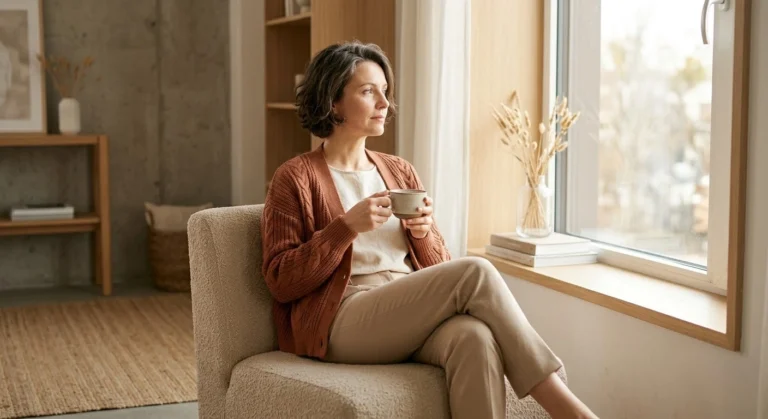
However, anxiety becomes more concerning when it persists even when there is no immediate threat. You may feel constantly “on edge,” struggle to relax, or find yourself imagining worst-case scenarios. Anxiety can also make ordinary tasks—answering emails, driving, socializing, or making decisions—feel exhausting.
For women, anxiety may be shaped by many factors, including hormonal changes, work pressure, caregiving responsibilities, relationship stress, financial concerns, trauma, or major life transitions. These experiences do not mean that anxiety is your fault. They simply show how closely mental health is connected to daily life.
Anxiety can also appear alongside other aspects of women’s mental health, such as low mood, burnout, sleep difficulties, or chronic stress. Recognizing the signs early can make it easier to take supportive action.
Common Anxiety Symptoms in Women
Anxiety does not look the same for everyone. Some women experience mostly mental symptoms, such as racing thoughts and excessive worry. Others notice stronger physical symptoms, including a racing heart, stomach discomfort, or muscle tension. Many people experience both.
Emotional and Mental Signs of Anxiety
Common emotional and mental signs of anxiety include:
- Persistent worry that is difficult to control
- Overthinking past conversations or future events
- Feeling restless, tense, nervous, or irritable
- Difficulty relaxing, even during quiet moments
- Trouble concentrating or making decisions
- Fear of uncertainty or frequent “what if” thinking
- Feeling overwhelmed by everyday responsibilities
- A sense of dread, panic, or impending danger
You may notice that your mind jumps from one concern to another. Even when you know a worry is unlikely to happen, it can still feel difficult to switch off. This mental loop can be draining and may make it harder to enjoy the present moment.
Persistent worry about many areas of life, overthinking possible outcomes, and difficulty controlling anxious thoughts are commonly recognized features of anxiety.nimh.nih+1
Physical Symptoms of Anxiety
Anxiety is not only emotional. It can activate the body’s stress response, which may lead to physical symptoms such as:
- Faster heartbeat or heart palpitations
- Shortness of breath or tightness in the chest
- Sweating, trembling, or shaking
- Headaches or jaw tension
- Muscle tightness, especially in the neck, shoulders, or back
- Stomach discomfort, nausea, or digestive changes
- Dizziness or feeling light-headed
- Fatigue, even after resting
- Difficulty falling asleep or staying asleep
These symptoms can be uncomfortable and sometimes frightening. If you experience chest pain, severe shortness of breath, fainting, or symptoms that concern you, seek medical advice promptly. A healthcare professional can help determine whether your symptoms are related to anxiety or another health condition.
Common physical signs associated with anxiety include a rapid or noticeable heartbeat, dizziness, rapid breathing, sweating, and trembling.mayoclinic
Behavioral Changes to Notice
Anxiety may also influence your behavior. You might begin avoiding situations that trigger worry, even if avoidance makes daily life more limited over time.
Common behavioral signs include:
- Cancelling plans or withdrawing from friends and family
- Avoiding phone calls, meetings, driving, or social events
- Procrastinating because tasks feel overwhelming
- Repeatedly checking messages, emails, or health symptoms
- Having trouble starting or finishing tasks
- Relying on food, alcohol, or other habits to cope
- Becoming more dependent on reassurance from others
Avoidance can bring short-term relief, but it can also reinforce anxiety. The more you avoid a situation, the more intimidating it may feel later. A gentle, gradual approach—rather than self-criticism—can help you rebuild confidence.
Why Anxiety May Affect Women Differently
Anxiety can affect anyone, regardless of gender. However, women may experience anxiety in the context of specific life stages and pressures.
Hormonal changes related to the menstrual cycle, pregnancy, postpartum recovery, perimenopause, and menopause can influence mood, sleep, and stress sensitivity. At the same time, many women manage multiple roles, including work, family care, relationships, and personal responsibilities.
Social expectations can also play a role. The pressure to appear capable, calm, productive, or “fine” may make it harder to speak openly about anxiety. But struggling with anxiety does not mean you are weak, ungrateful, or failing at life.
If your symptoms are persistent or severe, or if they occur alongside depression, panic attacks, trauma symptoms, or thoughts of self-harm, professional support is especially important.
Simple Anxiety Coping Skills to Try Today
There is no single approach that works for everyone, but small and consistent practices can help you feel more grounded. These anxiety coping skills can support your well-being, although they are not a substitute for professional care when symptoms are severe.
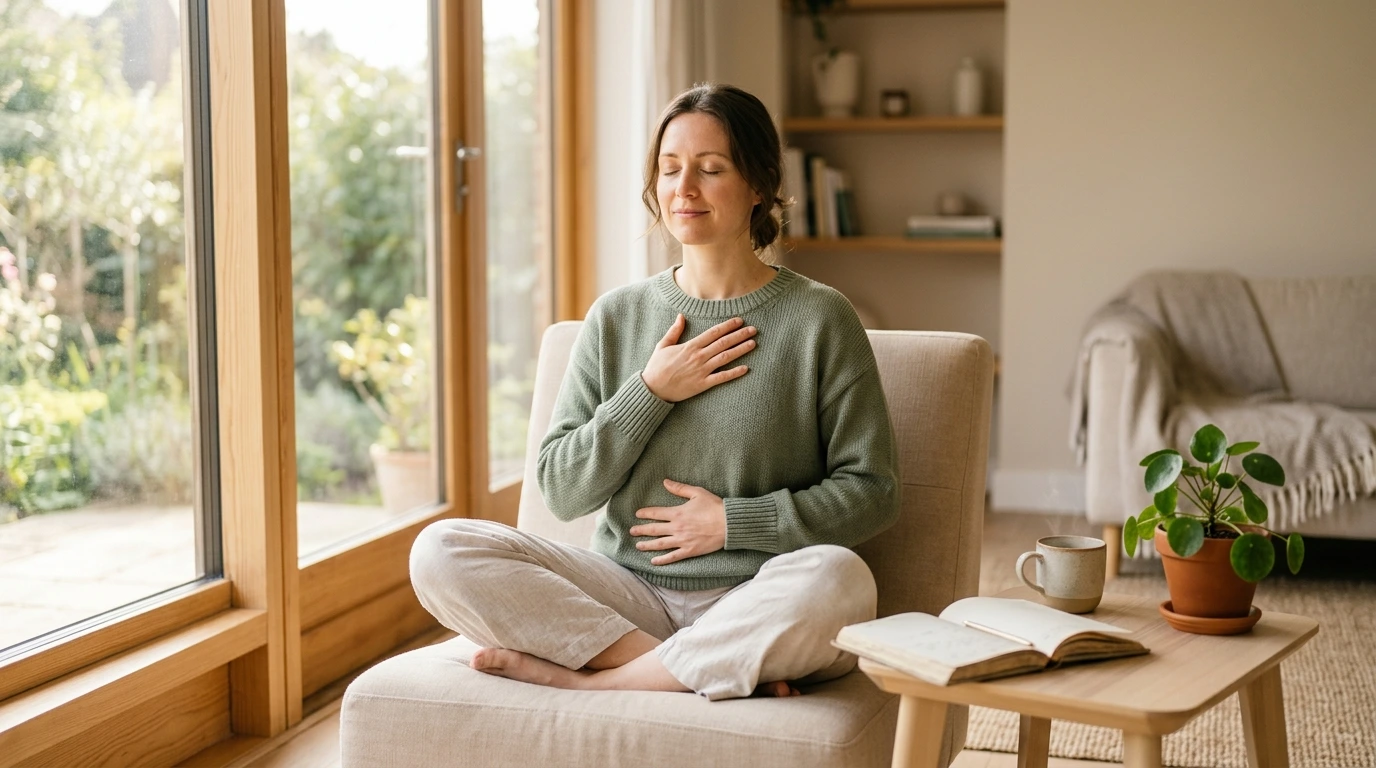
Practice slow breathing
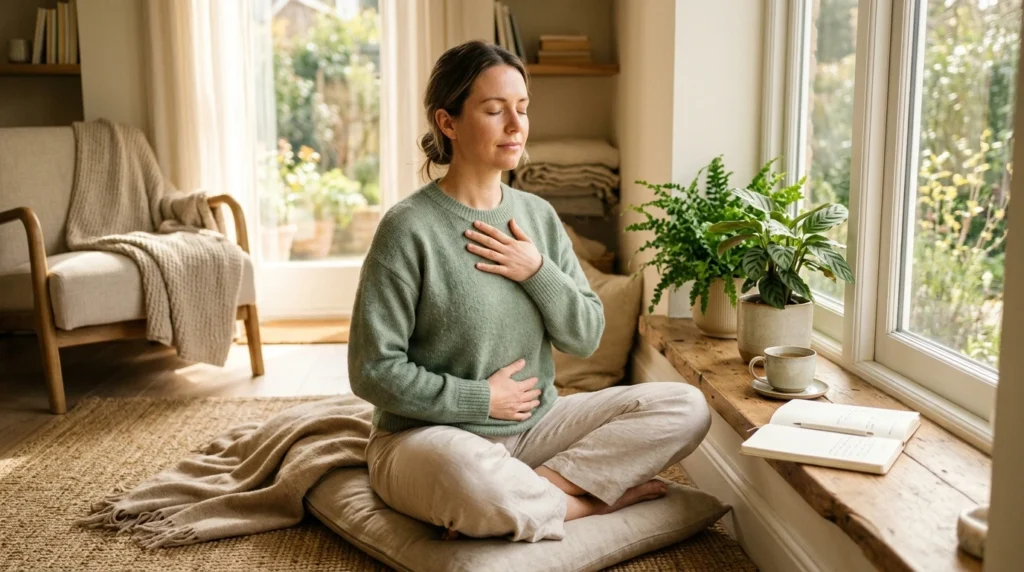
When anxiety rises, your breathing may become shallow and quick. Slow, controlled breathing can signal safety to your nervous system.
Try this simple pattern:
- Inhale gently through your nose for four counts.
- Hold your breath for two counts.
- Exhale slowly through your mouth for six counts.
- Repeat for two to five minutes.
Breathing exercises and relaxation techniques are commonly recommended self-help strategies for managing anxiety.
Use a grounding technique
Grounding brings your attention back to the present moment. One popular method is the 5-4-3-2-1 technique:
- Notice five things you can see.
- Touch four things around you.
- Listen for three sounds.
- Identify two things you can smell.
- Notice one thing you can taste.
This practice will not remove every anxious thought, but it can reduce the intensity of the moment.
Write down your worries
When your thoughts feel crowded, journaling can help. Write down what you are worried about, what you fear may happen, and what is actually within your control.
You can also create two columns: “What I can control” and “What I cannot control.” This exercise can help you focus your energy on practical next steps rather than endless worry.
Move your body gently
Movement can help release physical tension and improve mood. You do not need an intense workout to benefit. A 10-minute walk, stretching, dancing in your kitchen, yoga, or gentle strength exercises can all help.
Choose movement that feels supportive rather than punishing. The goal is to help your body feel safer and more settled.
Protect your sleep
Poor sleep can make anxiety feel stronger, while anxiety can make sleep more difficult. To support better rest:
- Keep a consistent bedtime and wake-up time.
- Reduce caffeine later in the day.
- Create a calming evening routine.
- Keep screens out of the bedroom when possible.
- Write down tomorrow’s tasks before bed to reduce nighttime overthinking.
Set small boundaries
If you often say yes when you want to say no, anxiety and burnout can build quickly. Start with one small boundary, such as postponing a nonessential task, limiting a draining conversation, or taking a short break before responding to a request.
Boundaries are not selfish. They help protect your energy so you can show up more sustainably for yourself and others.
Talk to someone you trust
You do not have to manage anxiety alone. Talking with a trusted friend, family member, partner, or support group can reduce isolation. Sometimes, simply saying “I have been feeling anxious lately” can be a powerful first step.
When to Seek Professional Support
Consider reaching out for professional help if anxiety is affecting your sleep, work, relationships, daily routines, or ability to cope. You may also benefit from support if your symptoms are becoming more frequent, more intense, or harder to manage on your own.nimh.nih
A doctor, therapist, counselor, or licensed mental health professional can help you understand your symptoms and discuss appropriate options. Depending on your needs, support may include talking therapy, cognitive behavioral therapy (CBT), guided self-help, lifestyle changes, or other treatment approaches.
Seeking help is not a sign of weakness. It is a practical and courageous act of self-care.
If you have thoughts of harming yourself, feel unable to stay safe, or are in crisis, contact local emergency services or a mental health crisis line in your country immediately.
Supporting a Friend or Loved One
If someone you care about seems anxious, your support can make a difference. Avoid minimizing their experience with comments such as “just relax,” “don’t overthink it,” or “you have nothing to worry about.”
Instead, try:
- “I’m here for you. Would you like to talk, or would you prefer some company?”
- “That sounds really difficult. Thank you for trusting me with this.”
- “Would it help if I sat with you while you contact a professional?”
- “You do not have to figure this out alone.”
Listening without judgment is often more helpful than offering immediate solutions.
Frequently Asked Questions
What are the most common anxiety symptoms in women?
Common symptoms include excessive worry, restlessness, irritability, difficulty concentrating, sleep problems, muscle tension, a fast heartbeat, stomach discomfort, and avoidance of anxiety-triggering situations.mayoclinic
Can anxiety cause physical symptoms?
Yes. Anxiety can cause physical symptoms such as a racing heart, sweating, trembling, headaches, digestive discomfort, dizziness, and shortness of breath.mayoclinic
What coping skills can help with anxiety?
Slow breathing, grounding exercises, journaling, gentle movement, healthy sleep habits, boundaries, and talking to someone you trust can help many people manage anxious moments.
When should I see a professional about anxiety?
Speak with a qualified healthcare or mental health professional if anxiety is persistent, distressing, or interfering with your daily life, relationships, work, or sleep.nimh.nih
Is anxiety different for women?
Anxiety can affect anyone, but women may experience it alongside hormonal changes, caregiving demands, relationship pressures, and other life factors that can influence mental well-being.
Final Thought
Anxiety can feel isolating, but it is more common than many people realize—and it does not define you. By learning to recognize your symptoms, practicing compassionate coping strategies, and reaching out when you need support, you can take meaningful steps toward feeling calmer and more in control.
If anxiety is affecting your daily life, speaking with a qualified healthcare professional can help you find the right support for you.