
How to Keep Your Relationship Strong During a Career Change
A career change rarely stays contained to the workplace. Whether it’s a promotion, a reconversion into a new field, launching a business, returning to work after a break, or navigating a job loss, the ripple effects tend to reach every part of daily life — including your relationship. Understanding how relationships and career change intersect can help you protect the connection with your partner, even during a season that demands so much of your time, energy, and attention.
None of this means a career transition has to put your relationship at risk. But it does mean that being intentional matters more during these periods than during calmer times, when connection often happens more naturally, without much effort.
How Relationships and Career Change Create Pressure
A career change – even a positive, chosen one- introduces a mix of stressors that can quietly strain a relationship if left unaddressed:
– Reduced availability. New roles, businesses, or job searches often demand more time and mental energy, leaving less bandwidth for connection.
– Financial uncertainty. Even temporary shifts in income or stability can create tension, particularly if the couple hasn’t discussed expectations openly.
– Identity shifts. A significant career change can affect how someone sees themselves, which sometimes shows up as increased sensitivity, self-doubt, or a need for extra reassurance.
– Uneven emotional bandwidth. One partner may be consumed by the transition while the other is left managing more of the household or emotional labor, which can create quiet resentment if unspoken.
None of these pressures are unusual, and none of them mean the relationship is in trouble. They’re simply signals that extra attention and communication may be needed during this particular season.
Signs Your Relationship May Need Extra Attention Right Now
It’s not always obvious when normal busyness has tipped into something that needs addressing. A few signs worth noticing include:
– Conversations have become mostly logistical, with little emotional check-in
– Increased irritability or shorter tempers over small, everyday issues
– A sense of growing distance or disconnection, even when physically together
– One partner feeling unseen, unsupported, or like their needs have become secondary
– Avoiding certain topics (finances, future plans) because they feel too tense to discuss
Recognizing these signs early makes them far easier to address than waiting until resentment has had time to build.
How to Protect Your Relationship During a Career Change
1. Name the Transition Openly Instead of Assuming Your Partner Understands
It’s easy to assume your partner grasps how demanding this period is, especially if you’ve talked about the transition before it started. But ongoing, specific communication — “this week is particularly intense because of X” — tends to prevent misunderstandings far better than a general, one-time conversation months earlier.
2. Schedule Connection Time, Even Briefly, During Busy Periods
When time is scarce, connection often gets deprioritized first. Protecting even small, consistent moments — a short walk, a device-free dinner, ten minutes of real conversation before bed — can help maintain a sense of closeness without requiring large blocks of free time you may not have right now.
3. Clarify Expectations Around Household Responsibilities
Many relationship tensions during a career transition stem less from the transition itself and more from unspoken assumptions about who’s handling what. A direct, even temporary, conversation about dividing responsibilities during this specific period can prevent a significant source of friction.
4. Avoid Major Relationship Decisions During High-Stress Transitions
Significant decisions — moving in together, major financial commitments, or big relationship milestones — are often better navigated once the most intense phase of the transition has settled, when both partners can approach the decision with clearer heads rather than transition-driven stress.
5. Celebrate Small Wins Together, Not Just the End Goal
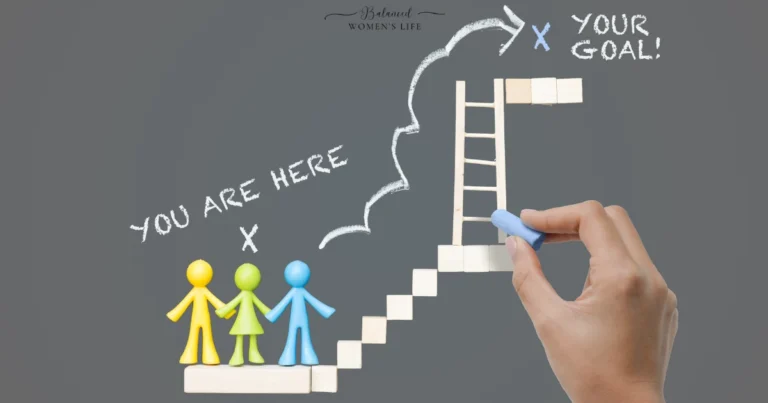
Career transitions can feel like a long, uncertain road, with the “real” celebration reserved for some distant future milestone. Acknowledging smaller progress along the way — together, as a couple — can help sustain morale and reinforce that you’re navigating this as a team.
If You’re the Partner Supporting the Transition
Supporting someone through a career change comes with its own, less-discussed challenges.
Practice active listening without immediately problem-solving.Sometimes your partner needs to process frustration or uncertainty out loud, not necessarily receive a solution right away. Asking “do you want support, or do you want me to help solve this?” can clarify what’s actually needed in the moment.
Avoid comparisons, even well-intentioned ones. Comments like at least you don’t have it as bad as X” or comparing the transition to your own past experiences can unintentionally minimize what your partner is going through, even when meant supportively.
Be patient, but don’t lose yourself in the process.** Supporting a partner through a demanding transition doesn’t mean setting aside your own needs indefinitely. It’s reasonable, and important, to communicate when you also need support, rest, or attention – the relationship works best when it doesn’t become one-directional for too long.
Recognize that some frustration is transition-related, not personal.Increased irritability or withdrawal during a stressful period is often about the transition itself rather than a reflection of the relationship. That said, ongoing communication about how it’s affecting both partners remains important.
Frequently Asked Questions (FAQ)
- How long do relationship tensions from a career change typically last?
This varies significantly depending on the nature and length of the transition itself. Many couples find that tension eases once the most demanding phase — a new job’s onboarding period, a business’s early launch, or an active job search — begins to stabilize.
- Should couples make major decisions during a career transition?
It’s often better to delay major, non-urgent decisions until the most intense phase of the transition has passed, since stress can affect judgment and increase the likelihood of decisions driven by short-term pressure rather than long-term clarity.
- How do you support a partner going through a career change without losing yourself?
Setting clear, honest boundaries around your own needs — time, rest, emotional support — while still being present for your partner is key. Support works best when it flows both ways, even if unevenly at times, rather than becoming a one-sided arrangement.
- Is it normal to argue more during a career transition?
Yes, increased friction is common during high-stress periods, largely due to reduced time, energy, and emotional bandwidth on both sides. This doesn’t necessarily indicate a deeper relationship problem, though persistent or escalating conflict is worth addressing directly.
- What if my partner doesn’t seem to understand how stressful my career change is?
Specific, ongoing communication tends to work better than assuming understanding from a single earlier conversation. Sharing concrete examples of what’s difficult, and what kind of support would actually help, can bridge this gap more effectively than general statements.
- Can a career change actually strengthen a relationship?
Yes, many couples report that navigating a significant transition together, with intentional communication and mutual support, ultimately strengthens trust and teamwork, even though the process itself can be genuinely difficult in the moment.
- When should a couple consider couples counseling during a career transition?
If communication has broken down significantly, resentment continues building despite attempts to address it, or the relationship feels persistently strained beyond what open conversation seems able to resolve, a couples therapist can provide additional support and tools.
Final Thoughts
Navigating relationships and career change together isn’t about eliminating stress — some tension during a significant transition is simply part of the process. What matters most is staying intentional: communicating openly, protecting small moments of connection, clarifying expectations, and remembering that you’re ultimately on the same team, even during the busiest, most uncertain stretches. With consistent effort from both sides, a career transition can become something you move through together, rather than something that quietly pulls you apart.
—
*Disclaimer: This article is for informational purposes only and does not constitute relationship or mental health counseling. If you are experiencing significant or persistent relationship difficulties, consider speaking with a licensed couples therapist or counselor.*